What is Dhul Hijjah?
Dhul Hijjah is one of the most sacred months in the Islamic calendar. It is a time filled with immense blessings, where acts of worship carry greater reward and believers are encouraged to increase in good deeds, sincerity, and remembrance of Allah (سُبْحَانَهُ وَتَعَالَى).
It is also a month closely associated with key events in Islam, including Hajj and Eid al-Adha. But among all its days, the first ten stand out as especially important carrying immense فضائل (virtues) and opportunities for reward.
The first ten days of Dhul Hijjah are considered the most blessed days of the entire year.
The Prophet Muhammad (ﷺ) emphasised the importance of these days, reminding us that good deeds performed during this time are أحب إلى الله (most beloved to Allah (سُبْحَانَهُ وَتَعَالَى).
This is a powerful opportunity for reflection and renewal of intention. Whether it’s prayer, fasting, remembrance (dhikr), or giving charity, every act is multiplied in reward.
During these days, even small actions carry great weight - so it’s a chance to focus on sincerity, strengthen your connection with Allah (سُبْحَانَهُ وَتَعَالَى) and increase in good deeds in a meaningful way.
Hajj is one of the five pillars of Islam, and it takes place during the month of Dhul Hijjah. It is a once-in-a-lifetime obligation for those who are physically and financially able.
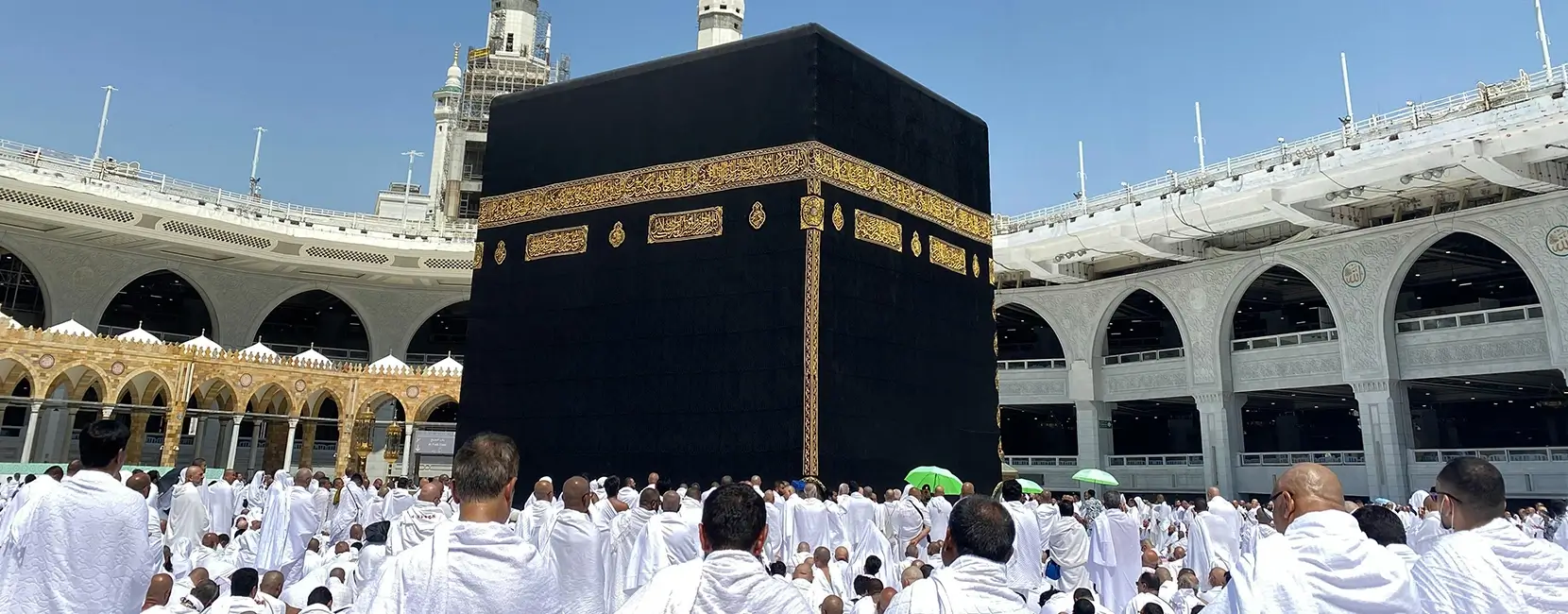
Each year, millions of Muslims from around the world gather in Makkah to perform Hajj, standing together in worship, humility, and unity before Allah (سُبْحَانَهُ وَتَعَالَى).
It is a powerful reminder of equality, devotion, and submission - where all pilgrims, regardless of background, come together dressed in simple garments, seeking forgiveness and closeness to Allah (سُبْحَانَهُ وَتَعَالَى).
Dhul Hijjah is also the month in which Muslims around the world celebrate Eid al-Adha, one of the two major festivals in Islam.
Eid al-Adha commemorates the willingness of Prophet Ibrahim (عَلَيْهِ ٱلسَّلَامُ) to sacrifice in obedience to Allah (سُبْحَانَهُ وَتَعَالَى). It is a time of reflection, gratitude and generosity.
Qurbani, the act of sacrificing an animal during Eid, is a significant part of this tradition. The meat is shared with family, friends, and with those in need.
For many vulnerable communities, this is one of the only times in the year they receive meat. Through Qurbani, we are reminded of the importance of compassion, sharing, and caring for others as part of our faith.
Charity always holds a special place in Islam, but during Dhul Hijjah, its reward is even greater.
This blessed month offers an opportunity to give Sadaqah, support those in need, and uplift vulnerable communities around the world. Whether it’s providing food, clean water, or emergency relief, your giving can make a real difference.
Acts of charity not only help those in need, but also purify wealth, increase barakah, and strengthen our connection with Allah (سُبْحَانَهُ وَتَعَالَى)..
Even the smallest act of kindness, when done sincerely, can carry immense reward, especially in these sacred days.
Dhul Hijjah is a time of reflection, worship, and giving. It is a chance to reset, to draw closer to Allah (سُبْحَانَهُ وَتَعَالَى). and to increase in good deeds both big and small.
Whether through prayer, fasting, dhikr, or charity, every action taken in these days is an opportunity to earn reward and seek Allah’s pleasure.
At Penny Appeal, we make it simple for you to give and support those in need during this sacred time. From Sadaqah to Qurbani and beyond, your generosity can help bring relief, hope, and dignity to vulnerable communities worldwide.
As we make the most of these blessed days, let us remember that every act of giving is an opportunity - one that can benefit others and bring us closer to Allah (سُبْحَانَهُ وَتَعَالَى).
Every Penny Helps Thank you.
View and Share


