News
7th October 2026
Gaza: Three Years On — We Have Not Looked Away
News
7th October 2026
Gaza: Three Years On — We Have Not Looked Away
News
28th August 2026
The Wheelchair That I’ll Never Forget: What I Saw in India
News
16th August 2026
Rabi‘ al-Awwal: Mercy for All Mankind – Penny Appeal
News
21st July 2026
BrumsCars × Penny Appeal: Driving Change Together
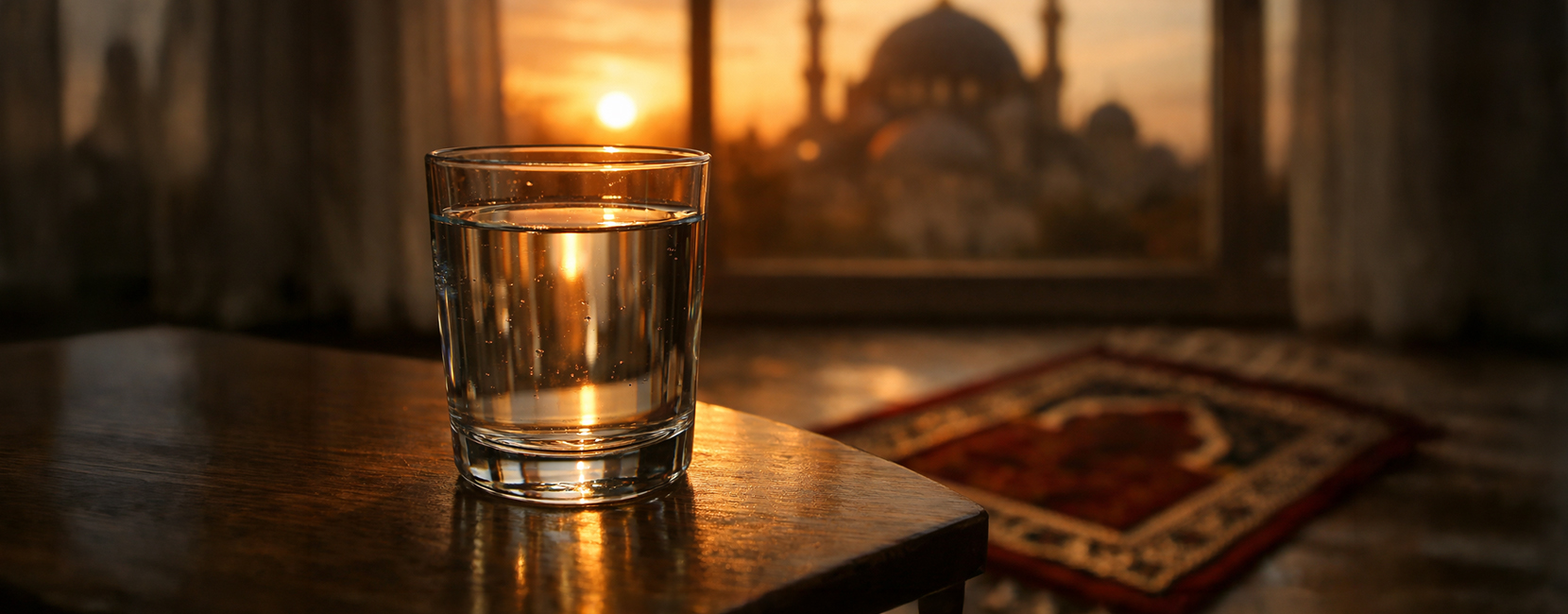
A question many people ask is: can you drink water during Ramadan? During the fasting hours, from dawn (Suhoor) to sunset (Iftar), Muslims do not eat or drink, including water. This period of fasting is a time of spiritual reflection, self-discipline, and empathy for those in need.
However, drinking water is fully permitted outside these hours, such as during Suhoor, the pre-dawn meal, and Iftar, the evening meal that breaks the fast. Staying hydrated during these times is encouraged to support your health and well-being while fasting.
Muslims fast every day during the month of Ramadan, observing the fast from dawn to sunset. While fasting is obligatory, there are exemptions for those who are ill, elderly, pregnant, breastfeeding, menstruating, or travelling. These individuals may make up missed fasts later or offer charitable alternatives, following Islamic guidance.
Suhoor is the meal eaten before dawn to prepare for the day’s fast, while Iftar is the meal that breaks the fast at sunset. Both meals are more than just food - they are opportunities for family and community to come together. Sharing Suhoor and Iftar fosters connection, gratitude, and the communal spirit of Ramadan.
Many wonder whether music or TV is allowed during Ramadan. There are no strict prohibitions, but Muslims are encouraged to use their time to focus on spiritual growth, prayer, reading the Qur’an, and acts of kindness. Entertainment that distracts from worship can be limited according to personal or community practice.
Children are gradually introduced to fasting as they grow older. Families often encourage partial fasts at first, allowing children to skip meals or fast for shorter periods of the day. This helps them learn the discipline and spiritual benefits of fasting without harming their health. By gradually increasing the length of their fasts, children can fully participate in Ramadan as they mature.
If someone accidentally eats or drinks during fasting hours, the fast is not broken as long as it is unintentional. The person should continue fasting for the rest of the day. Ramadan encourages mindfulness and patience, and Islam allows for human error without penalty.
Fasting hours depend on the times of sunrise and sunset, which vary by location and season. Muslims follow local prayer timetables to determine when to start and break the fast. In some countries, fasting can be much longer or shorter depending on the time of year, but the spiritual practices and purpose of fasting remain the same.
Charity takes on special significance during Ramadan. Acts of giving, such as Zakat (obligatory almsgiving) and Sadaqah (voluntary charity), help support the vulnerable and remind Muslims of their social responsibility. Ramadan is a time for generosity, kindness, and contributing to the well-being of others, reflecting the values of empathy and compassion.
During Ramadan, you can support communities in need through Penny Appeal’s charitable initiatives, helping to multiply the blessings of this sacred month.
Every Penny Helps Thank you.
View and Share


